-Isaiah 11.6
It's something most Americans don't want to think about, 300 years of slavery in our country.
 You'll think about it a lot when visiting the Whitney Plantation. Like many other former southern slave farms, it's on the Mississippi River, 35 miles west of New Orleans. Go there and little children will lead you. They will show you what it was like to be a slave.
  The children are remarkable statues created by artist, Woodrow Nash. They're set all over the Whitney. Their hollow eyes bear witness to the horrible atrocities inflicted upon them.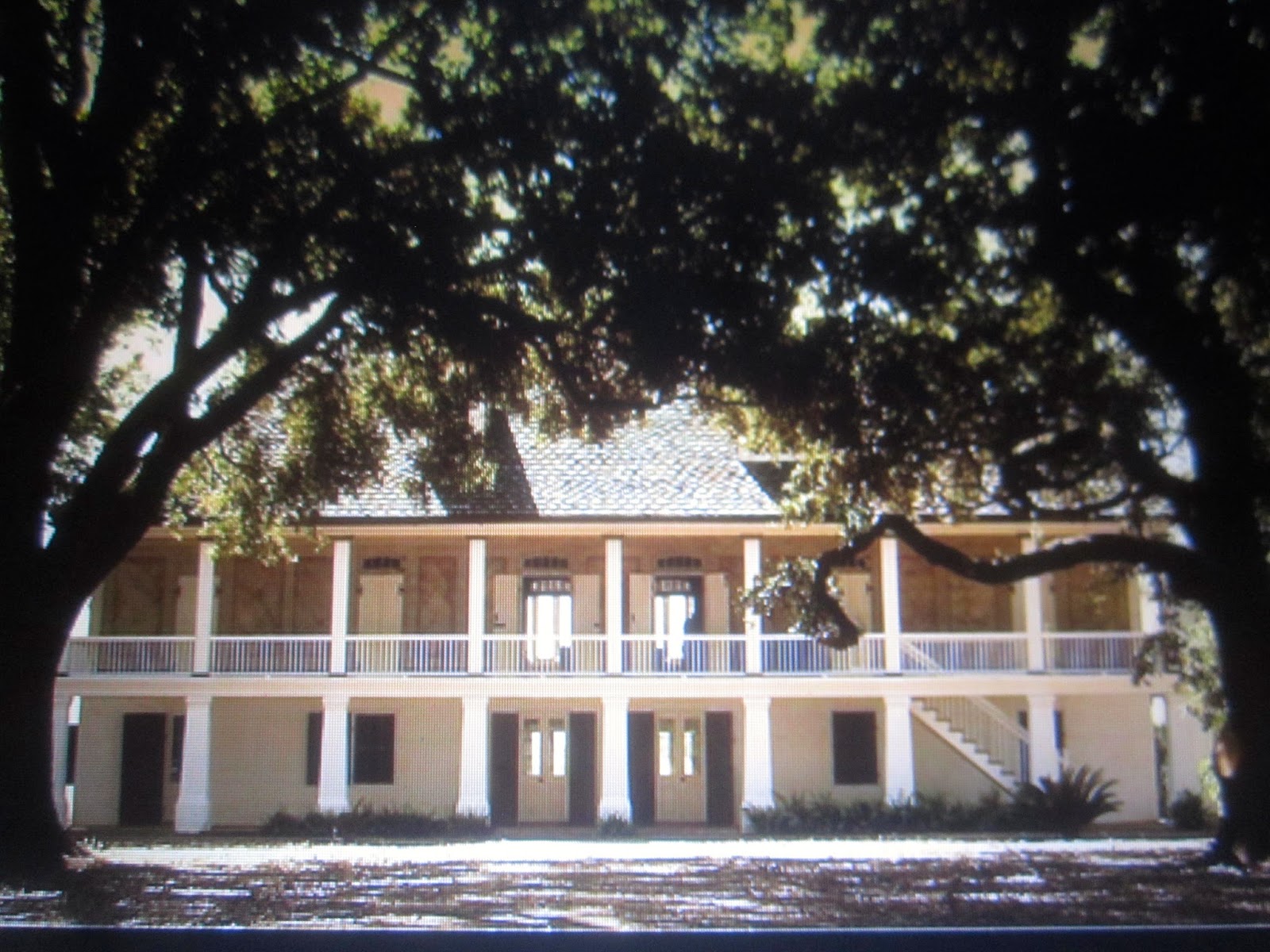
The South has hundreds of restored plantations, huge farms once worked by slaves. From Jefferson's Monticello to some in North Florida, they're now residences, parks, and tourist attractions.
 I've been to a few and have marveled their architecture, gardens, and craftsmanship. Most of what I was admiring was created by indentured servants. Rarely have I seen African Americans visiting these places. Why would they?
 There is usually little mention or evidence of slavery at these plantations.
The 200-year old plantations focus on "the good life" enjoyed by the former slave owners. Those days may be gone with the wind but they come back briefly in plantation weddings, reunions, and other genteel affairs.
 These places rarely mention "the bad life", the history of horrors experienced by most of the people who lived on the slave farms, the ones who were whipped, brutalized, and sold like cattle.
But now we have the Whitney, a plantation that does just that. It is our country's first slavery museum. Visiting is not unlike touring Washington, DC's Holocaust Museum. You experience what it was like to be a slave.
 Your visit begins in a new, museum-like building. Visitors are given slave identities (worn around the neck). Mine was Francis Doby, a former slave who was interviewed many years ago. Reading her oral history I learned how she had spent her life working the fields and making babies. When she was too old she minded children while their mothers worked the fields.
  An exhibit traces the history of slavery in America. I learned that Columbus himself brought the first African slaves to our side of the Atlantic.

 Visitors are taken on a 90-minute tour of the sugar cane plantation. My group was led by a native who knew this area well.
  Names are etched on dark marble in the "Field of Honor". Most are first names, the only ones known for the 107,000 slaves brought to the Louisiana Territory.
 Fragments of their oral histories were there as well. Said former slave John McDonnell, "We were not allowed to read or write. If the boss man caught me with pencil and paper I'd get 25 lashes."
Below my group visits one of the slave quarters. We imagined what it was like for the twelve
 or more people who once lived there.
Our country was built on the backs of slaves and Miami has it own history. In downtown's Lummus Park we have former slaves quarters as well.
 The cabin above, like most plantation buildings, was built by slaves. After the Civil War, former slave craftsmen were able to create their own buildings. One example is the Antioch Baptist Church built nearby in 1885. It was moved to the Whitney several years ago.

The Whitney Plantation was founded by New Orleans native John Cummings. I had the pleasure of meeting the trial attorney on my visit. When I told him that I was a recovering lawyer, he laughed and said, "You're a recovering racist too. We all are".
I suppose that's why he created this country's first slavery museum, to help us "recover" some of our lost ideals and better understand our past.
 I learned about the Whitney while watching TV. CBS This Morning did an excellent segment on the plantation when it opened in December, 2014. John told me 16 million people have seen it. The link is, https://www.youtube.com/watch?v=JfC8X2Os2z4 .
All of us can learn from the museum that John built. Of the 35,000 people visiting the first year, forty percent were African-Americans. As a plaque at the entrance says, we're all in this boat together. Let's hope we learn to resolve the problems that Christopher Columbus started.
______________________


References:
The Whitney Plantation's website is www.whitneyplantation.com .
John Cummings' interview is at https://www.youtube.com/watch?v=NToQ3iwz7LQ .
A New York Times article is athttp://www.nytimes.com/2015/03/01/magazine/building-the-first-slave-museum-in-america.html
Isaiah 11.6, "The wolf shall live with the lamb..." biblical prophecy about a future kingdom of peace.
_______________________


